Exploring Cultural Heritage: A Journey Through Artifacts and Exhibits in Museums
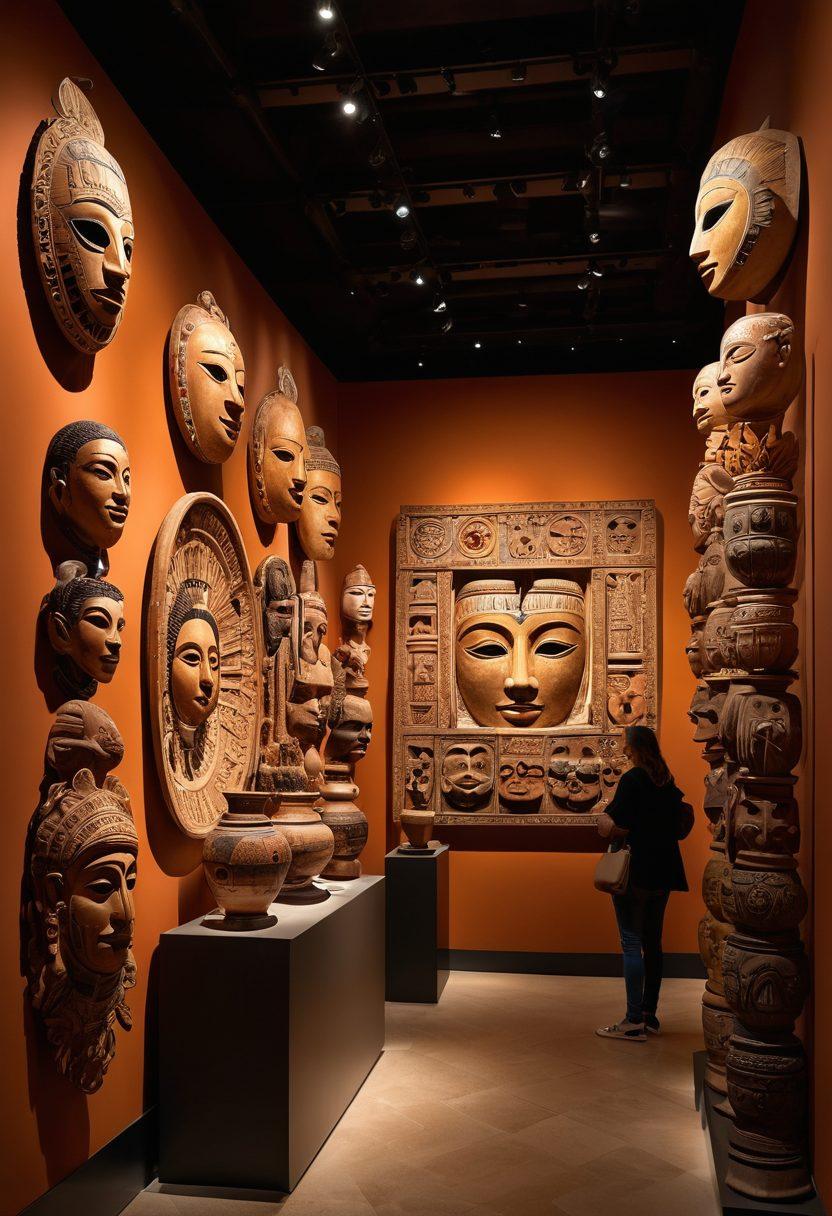
The world is a tapestry of stories woven through time, with each thread revealing a fragment of our collective past. Museums stand as guardians of these stories, housing artifacts that remind us of who we are and where we come from. Have you ever strolled through a museum, gazing at displays that transport you to another era? The experience is not merely a visual feast, but a profound journey into the essence of cultural heritage. As you walk amongst historical artifacts, your imagination dances with the tales they tell; they whisper secrets of ancient civilizations, unique customs, and the very essence of life long ago.
Consider the way a single artifact can encapsulate the dreams and desires of a people. Take, for instance, a handcrafted tool from a bygone era. It’s not just a relic; it's a testament to human ingenuity and adaptation. In every detail, from the materials used to its very shape, lies a story begging to be unveiled. Museums curate these fascinating pieces, transforming mundane displays into vibrant educational programs that breathe life into history education. They invite us to touch the past and ignite a passion for discovery.
Have you wondered how a simple item evolves from being a historical piece to a cherished cultural artifact? This transformation lies in the careful curation and preservation, ensuring that each object maintains its integrity over time. Museums meticulously curate their collections, creating interactive exhibits that engage not just the eyes, but also the minds and hearts of their visitors. Such thoughtful displays foster a deeper appreciation for cultural heritage, enabling us to connect emotionally with artifacts collections that once belonged to generations before us. It's as if each exhibit serves as a portal through which we can experience the vibrancy of past lives.
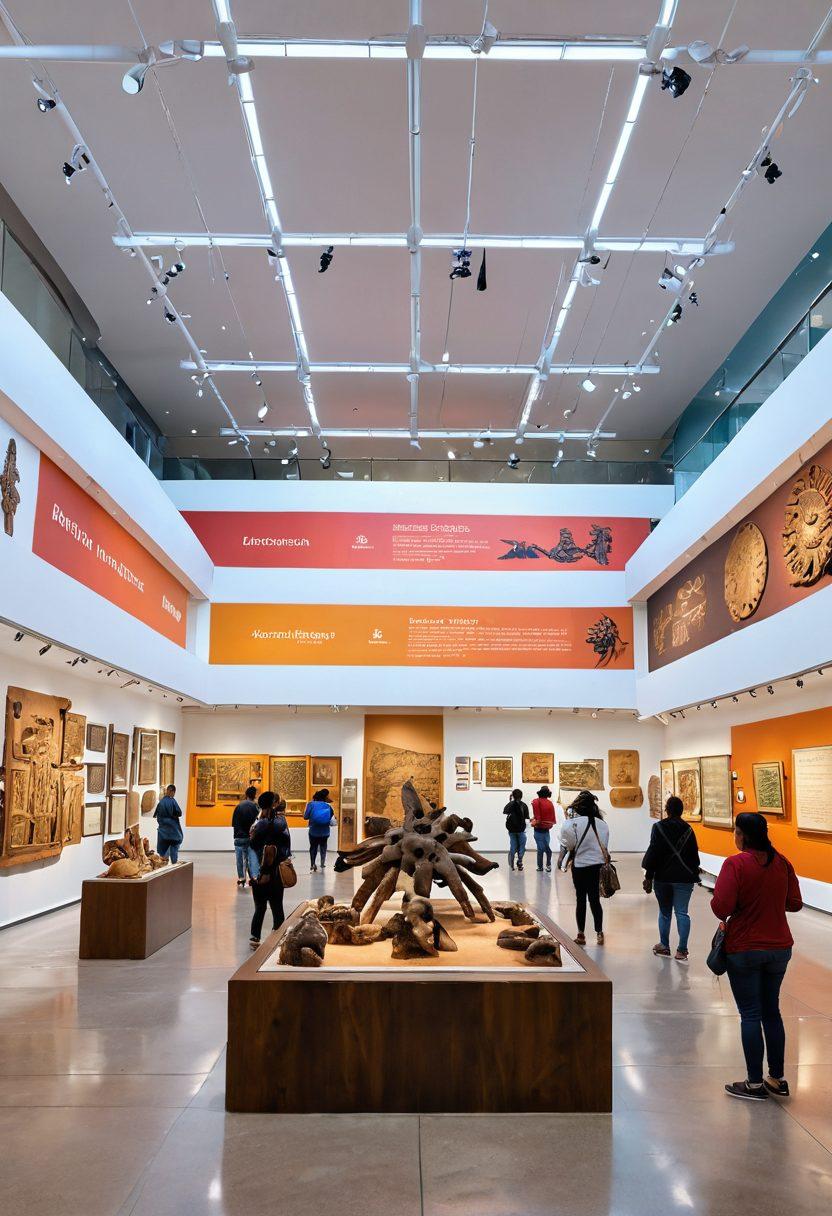
Visiting heritage sites often allows us to witness the living remnants of our cultures firsthand. It's much like collecting souvenirs from a journey through time; each item we encounter carries with it a rich narrative and a profound sense of belonging. Museums not only showcase artistic heritage but also host various cultural exhibitions that reflect community narratives, traditions, and values. Whether it's through the lens of historical collections or scientific collections, these institutions shine a light on the nuances of humanity and the beauty of diversity.
Finally, in the age of technology, museums are not just brick-and-mortar establishments; they evolve into virtual exhibitions that can be explored from anywhere in the world. How incredible is it that you can engage with museum resources and education materials that once were limited by geography? This accessibility allows more people to delve into history, broadening participation in cultural heritage through public programs that connect us stories across nations and generations. So, the next time you encounter an exhibit or a notably unique artifact, remember: it’s not just an object—it’s a bridge to our past, an invitation to explore who we are collectively and what we can learn from those who walked the earth before us.
From Exhibits to Education: How Museums Preserve Cultural Heritage
Museums are more than just repositories for artifacts and historical items; they are vibrant hubs of education, preservation, and cultural appreciation. Have you ever stepped into a museum and felt transported back in time? The air thick with stories waiting to be told, each exhibit a doorway to another era. Museums serve as guardians of cultural heritage, providing not only an opportunity to see but also to learn from the treasures of our past. Through various educational programs, they allow us to connect with history and understand the significance of the diverse artifacts that shape our identities.
The curation of museum collections is a carefully crafted art form, blending storytelling with education. Exhibits are designed not simply for display, but to engage and inspire visitors. Imagine standing before a centuries-old painting, the colors vibrant and the brushstrokes telling tales of artistic heritage. Each display is a reminder of who we were, who we are, and who we might become. Curators combine advanced museum studies with historical insights to craft immersive experiences. Have you ever wondered how much thought goes into the placement of an item in a gallery? Every detail matters!
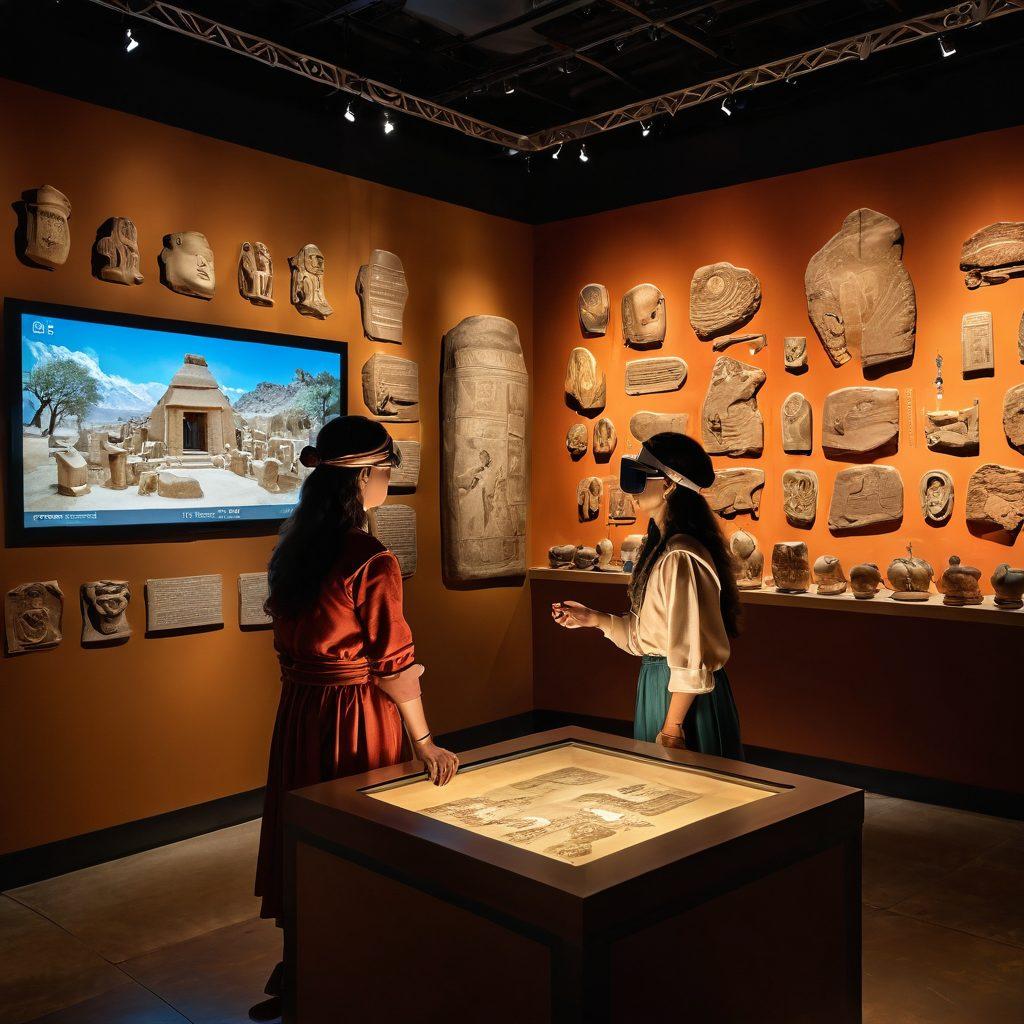
Interactive exhibits take the experience to an entirely new level. Museums have embraced technology to create virtual exhibitions and hands-on educational materials that draw visitors in. Picture walking through a heritage site and engaging with the artifacts collections, using digital interfaces to uncover layers of history. How do these elements transform your understanding of historical artifacts? By making learning enjoyable, museums instill a deeper appreciation for the cultural artifacts that define our collective heritage.
Preservation is at the heart of what museums do. Not only do they protect physical items, but they also safeguard cultures and stories that might otherwise fade into obscurity. With the rise of scientific collections, where preservation techniques blend with educational resources, museums are more than ever equipped to ensure that future generations can learn from past eras. How vital do you think it is for society to have access to these educational programs? The answer is clear: it helps mold informed citizens who respect and celebrate cultural dialogues.
Finally, museums are inviting us to participate, not just observe. Through public programs and cultural exhibitions, they welcome community messages and voices. Have you participated in a local museum event or workshop? These gatherings not only deepen our understanding but also foster a sense of belonging within our cultural heritage. Whether through art displays or interactive learning, museums stand at the intersection of nostalgia and modernity, continually reminding us that preserving our history is a collective endeavor that enriches us all.
Interactive Experiences: Engaging with Historical Artifacts and Collections
Visiting a museum used to be a simple affair: a leisurely stroll past static displays of intriguing objects from the past. However, the evolution of museums has revolutionized how we interact with them. Today’s innovative museums are embracing interactive experiences that breathe life into artifacts and collections, making our encounters not just informative, but truly engaging. Imagine standing inches away from a thousand-year-old vase and, with just a tap on a digital display, uncovering the story behind its creation. Isn’t it fascinating how these museums have transformed from stuffy rooms of old relics into vibrant cultural hubs?
Interactive exhibits have changed the landscape of cultural heritage and history education. They allow us to dive into the past, inviting us to touch, listen, and explore the 'how' and 'why' behind historical artifacts. Have you ever wandered through a museum and wished you could handle those beautiful yet delicate pieces? Through innovative curation, museums are now offering carefully designed programs that encourage visitors to engage with the displays. This hands-on approach gives us an opportunity not just to observe but to experience cultural heritage in an immersive way. Just think about the wonder of interacting with scientific collections or artistic heritage through augmented reality. It’s history, reimagined!
Moreover, interactive experiences often come with compelling educational materials that enhance our understanding of heritage sites and historical collections. Think about the stories these artifacts tell: every chipped edge or faded painting conveys a history of its own. When museums provide these educational resources, whether through guided tours, workshops, or engaging apps, they empower us to be active participants in our learning journey. Do you have a favorite artifact or collection from a museum visit? Imagine how much deeper your connection to it could be if you had a personal, interactive storyline to guide you!
Furthermore, public programs and virtual exhibitions have opened the doors of museums to larger audiences, breaking geographical barriers while preserving cultural artifacts for posterity. With just a click, anyone across the globe can immerse themselves in a rich tapestry of art displays and heritage collections. This digital shift has proven invaluable, especially in enhancing accessibility for those who may not be able to visit physical sites. What if our understanding of global cultures could begin from our living rooms? The possibilities are both endless and exhilarating as these online resources provide a gateway to the world.
In conclusion, interactive experiences in museums are not just about viewing artifacts, but rather building connections, fostering curiosity, and preserving our cultural heritage for future generations. As we stand witness to this exciting transformation, we should cherish these opportunities for engaging with history in a vibrant, interactive manner. Let us embrace the curiosity that drives us to learn more about our world, our heritage, and ultimately, ourselves. So, the next time you visit a museum, take a moment to seek out those interactive elements that ignite your spirit of discovery!